Whereas, we are in drought...
“Whereas” is not a word that I hear in polite conversation often. But when Governor Brad Little declared an Idaho drought emergency in an April 13 th order, he used “whereas” 13 times! Each “whereas” spelled out a reason why the Governor was making this declaration, including, but not limited to:
WHEREAS, March 2026 was the 2nd warmest March on record in Idaho dating back to 1896...
WHEREAS, Elevated temperatures that set new records across Idaho from October through March raised the base elevation of snowpack to approximately 6,500 feet, compared to typical base elevations of 3,000 feet in northern Idaho...
WHEREAS, Peak snow water equivalent (SWE) in all but a few Idaho counties registered below the 20th percentile, indicative of moderate drought conditions...
WHEREAS, These abnormally low SWE levels were primarily attributed to the second warmest snow accumulation season (October through March) recorded in Idaho since 1896...
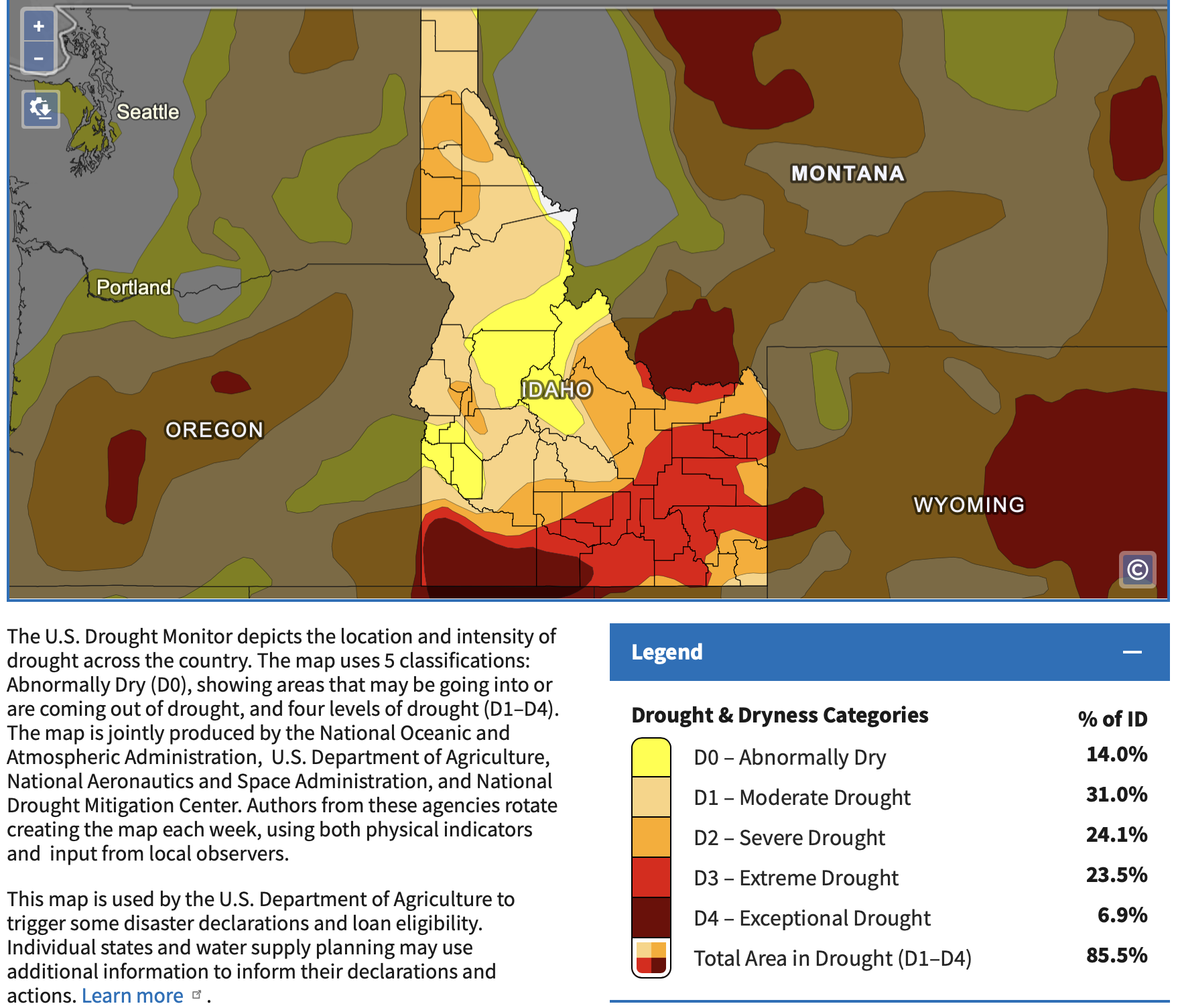
North Idaho has been experiencing drought conditions going back to the summer of 2021, and unless we get higher-than-normal precipitation soon, we’re looking at another drought this summer.
The CdA Water Department website tells us a lot about how we use water.
CdA has 11 wells that can pump more than 42 million gallons per day total.
Average winter demand is about 7 million gallons per day, which can be met by running only 2 of the 11 wells.
Peak summer demand is between 35 and 38 million gallons per day, which can only be met by running all 11 wells!
Obviously, our summer water consumption is high, 5 times higher than our winter consumption, so what can we do to cut back on summer usage? My first thought is landscaping and how we landscape our yards.
If you have a lawn and want to keep it green, typical lawns only need one inch of water per week. Yet it’s common to overwater, saturating the soil and even flooding it. Not only is this wasteful, but it can actively harm your grass. It is estimated that up to 50% of the water we use for outdoor watering is wasted.
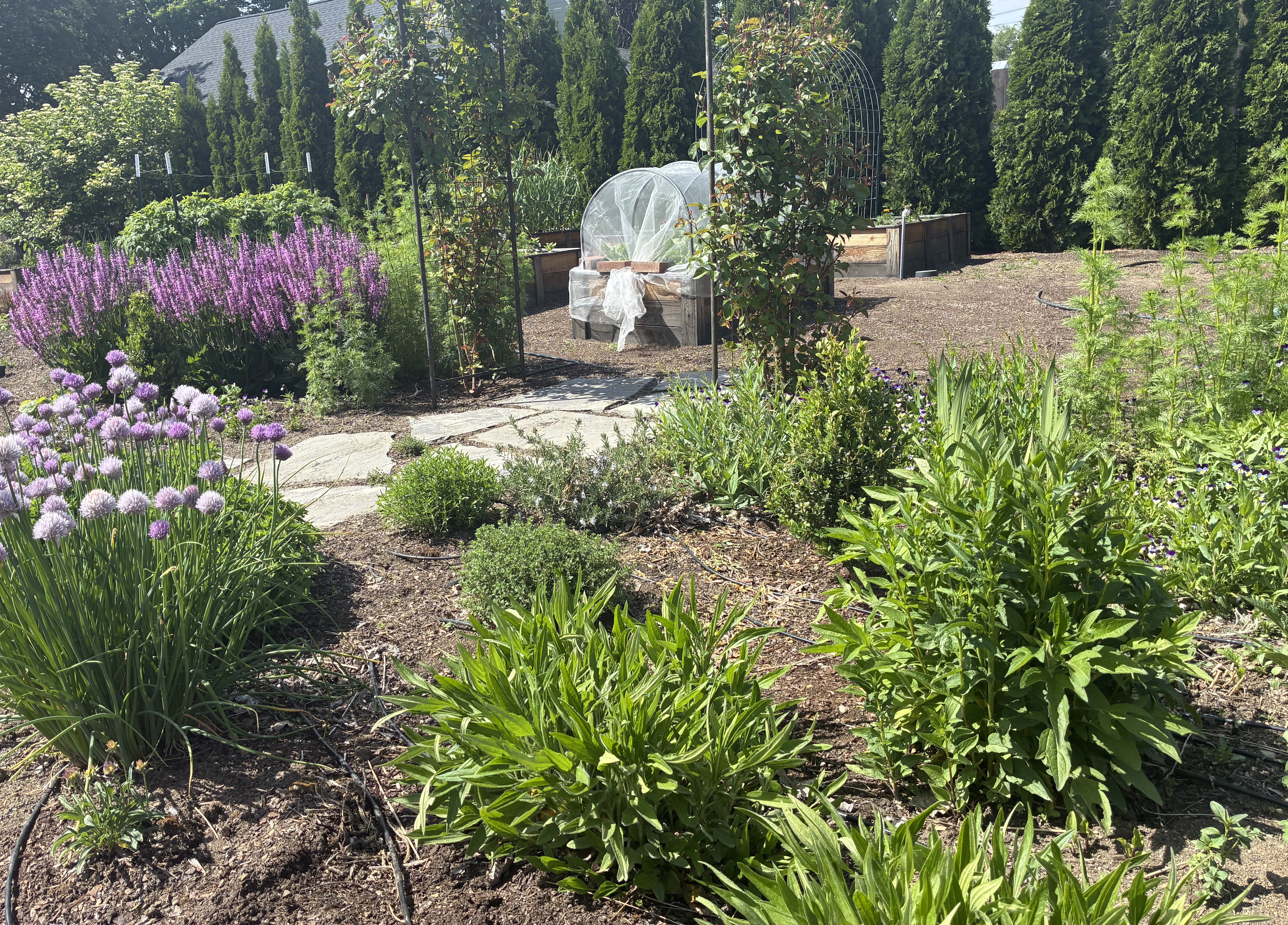
Add 2 to 3 inches of bark mulch around plants and garden beds to suppress weeds and retain moisture.
Consider lawn alternatives like micro-clover, which stays green with less water.
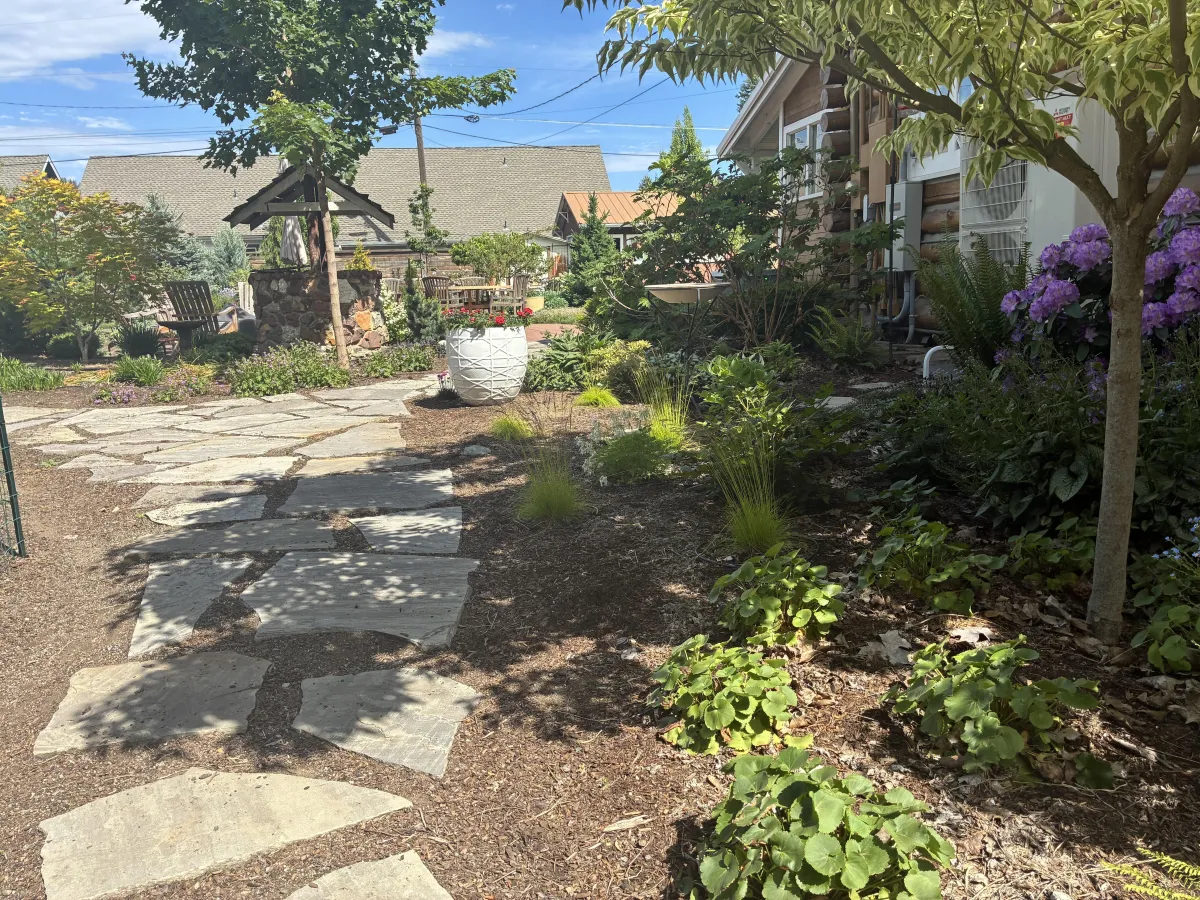
What I do and recommend to anyone is to use native, drought-tolerant Idaho plants or xeriscaping. I started by removing the ugly weedy grass on the strip between the sidewalk and road in front of my house. My neighbor keeps grass in his strip, which he has to water constantly and mow regularly. I neither water nor mow mine, and with a good layer of bark mulch, I don’t even need to weed.
Now most of my yard is bark mulch and shrubs and flowers watered by drip irrigation. The yard is beautiful and nowhere near as thirsty as a lawn.
Every effort to conserve water is worthwhile! As we enter the hottest months of the year, water conservation efforts will be even more important.
