Our Watershed - "A Place of Superlatives"
I’d love to take credit for describing our watershed as “A Place of Superlatives”, but I have to give credit to Dr. John Osborne who used it during the recent Historical Watershed Tour.
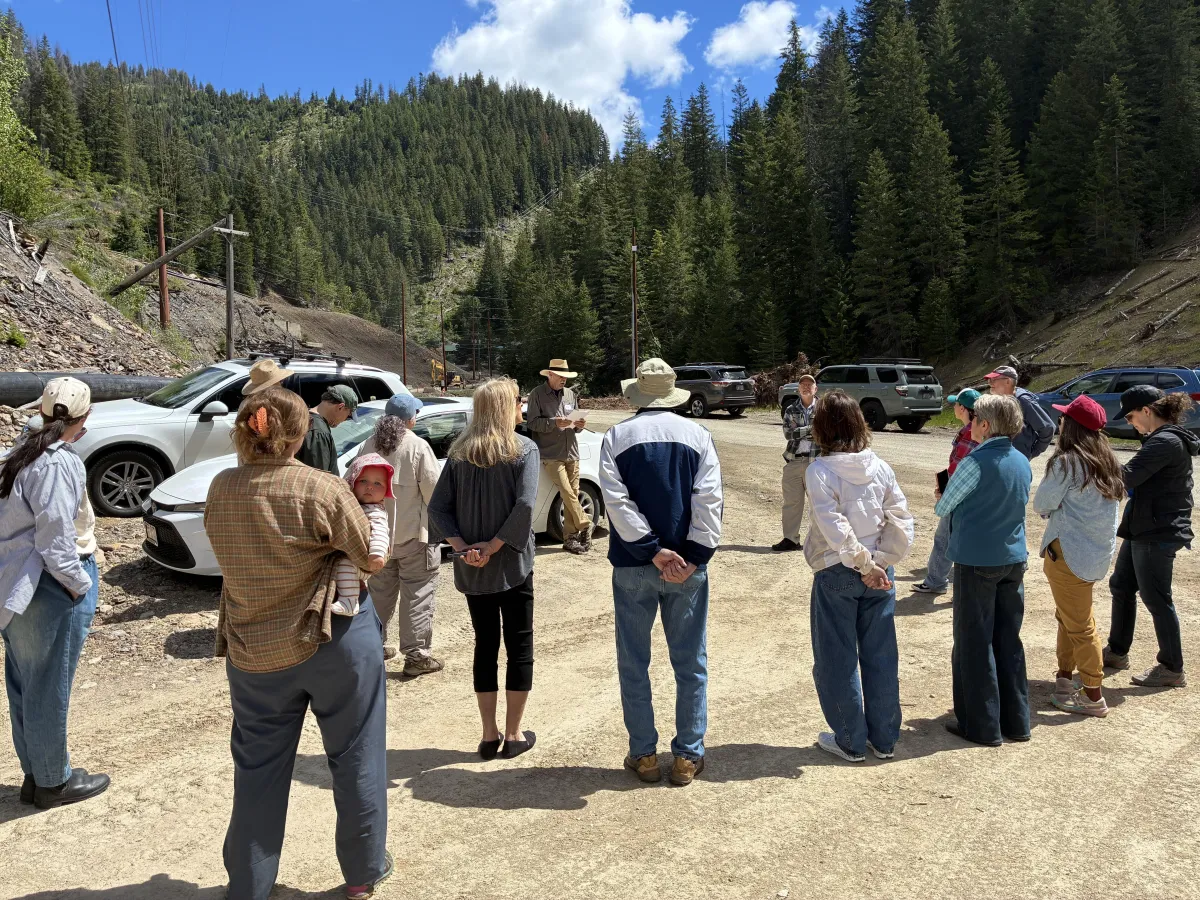
I took the tour for the first time this year and I learned a lot! I learned about the history of the watershed from Rebecca Stevens of the CdA Tribe (Schitsu’umsh) about mining in the Silver Valley including its impact on the watershed and the public, and about the aggressive logging practices used even today. Rebecca emphasized the leadership role the Tribe took in holding the mining companies responsible for the cost of cleaning up their mess. It is work that will take generations to complete and monitor in perpetuity.
Sites visited in the watershed included two former mining sites in various stages of reclamation and the Cataldo Mission. The tour was hosted by Dr. Osborne and Greg Sletten of the Sierra Club, and KEA’s own Janet Torline.
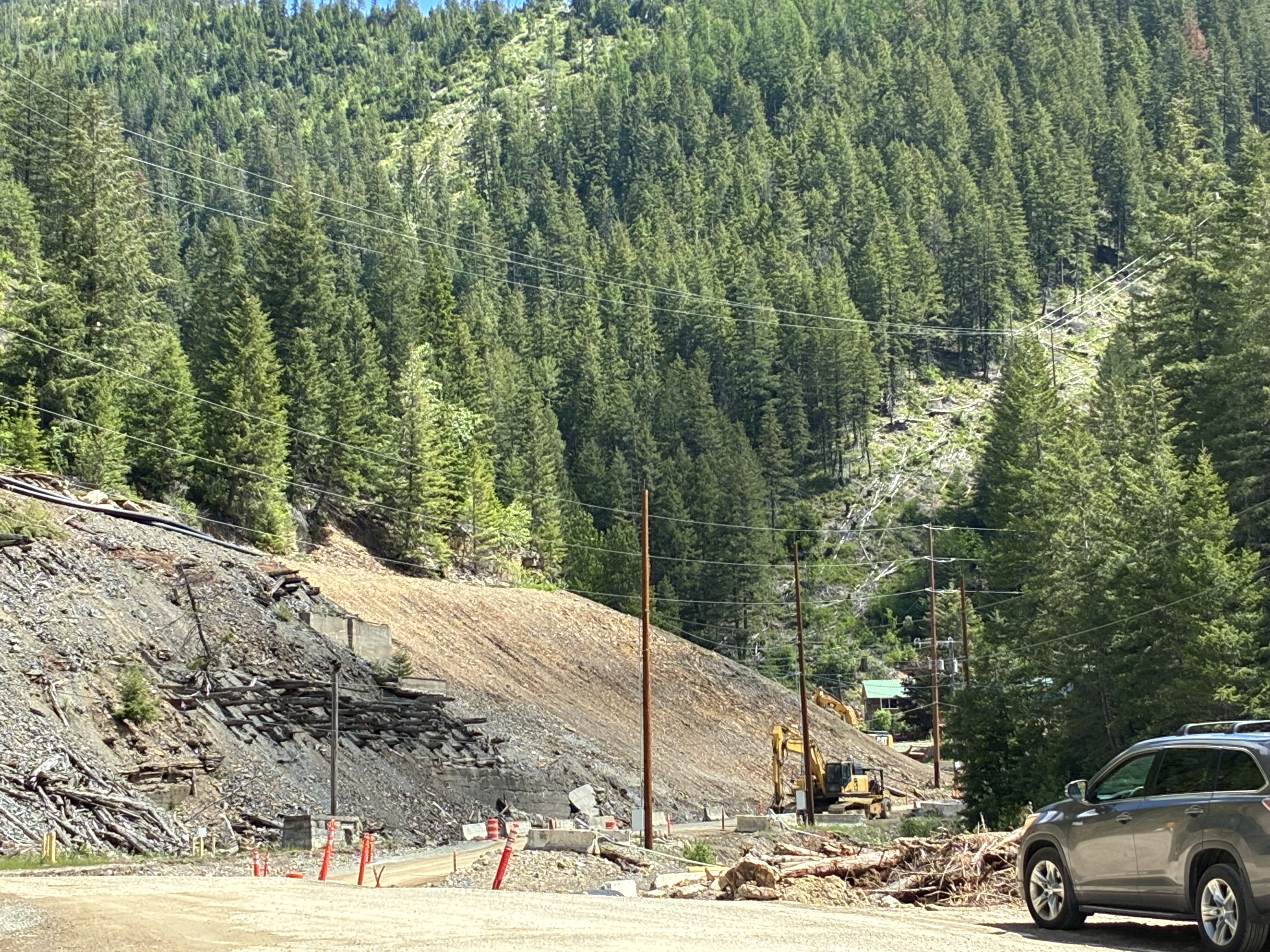
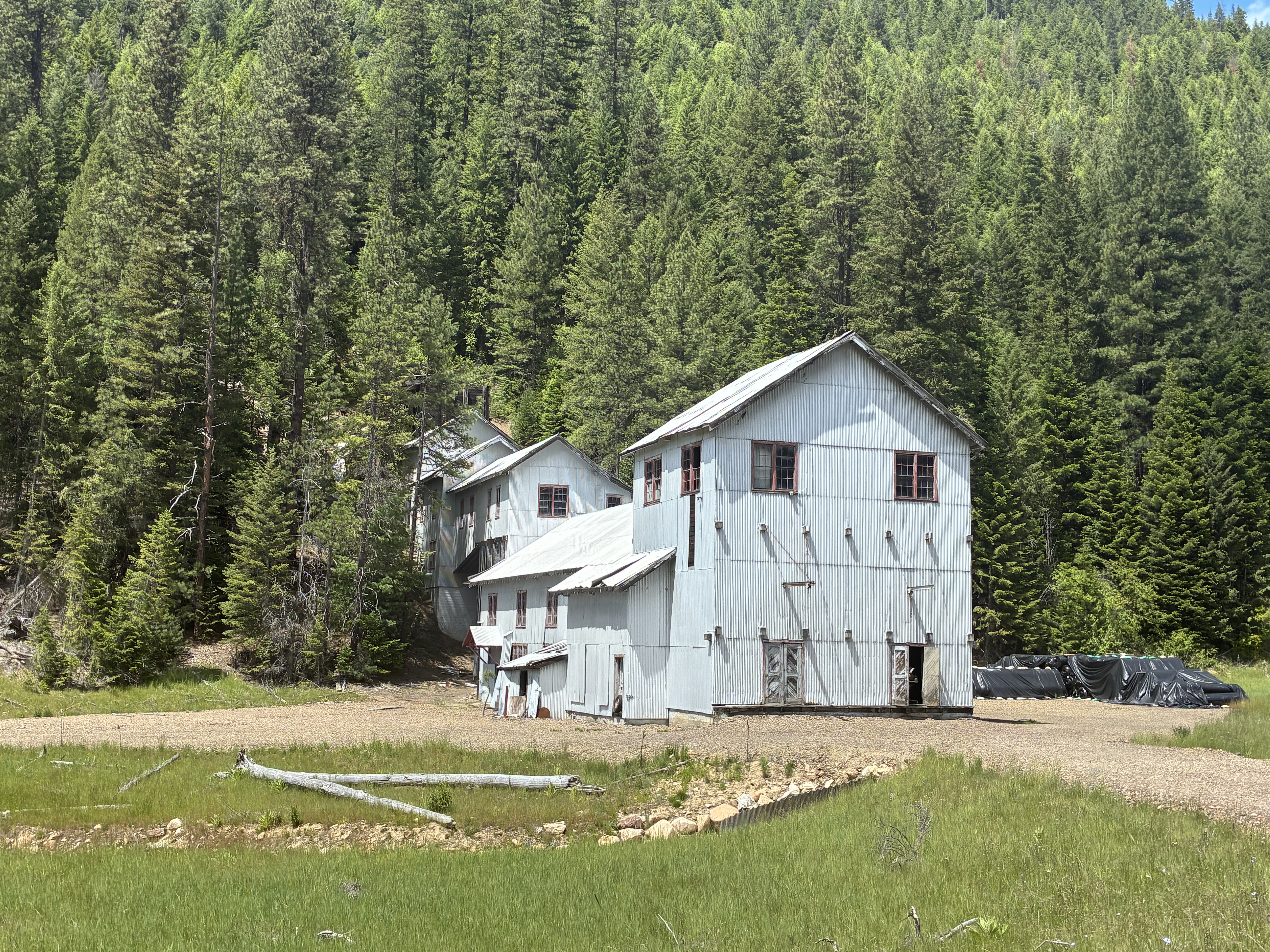
Our first stop was a reclamation project in Burke where several mines were active. During mining operations, heavy metals like lead, arsenic and cadmium contaminated much of the watershed. Truckloads of contaminated soil are moved to a fenced repository site where it will be permanently covered with a heavy membrane and topped with clean soil. Clean soil is then trucked in to replace what had previously been contaminated. Our next stop brought us to the former Dayrock Mine which is a completed reclamation project. (pic) All projects are managed by the Basin Commission with more information at www.basincommission.com.
At lunch we met with Mary Rehnborg from Panhandle Health District and learned about how mining poisoned not only the watershed, but the public as well. Lead levels in mine workers and the community at large were shown to be 400x the acceptable level by the medical professionals. Past attempts to reduce the impact of lead on the body included drinking more milk to prevent lead from replacing calcium in our bones and I was completely surprised to learn that electrical current applied in a saltwater foot bath was also used in an attempt to remove lead from people’s bodies! Can you imagine! Not only have you been poisoned with lead, but agreeing to be electrocuted (OK, mildly electrocuted) to rid my body of that poison!
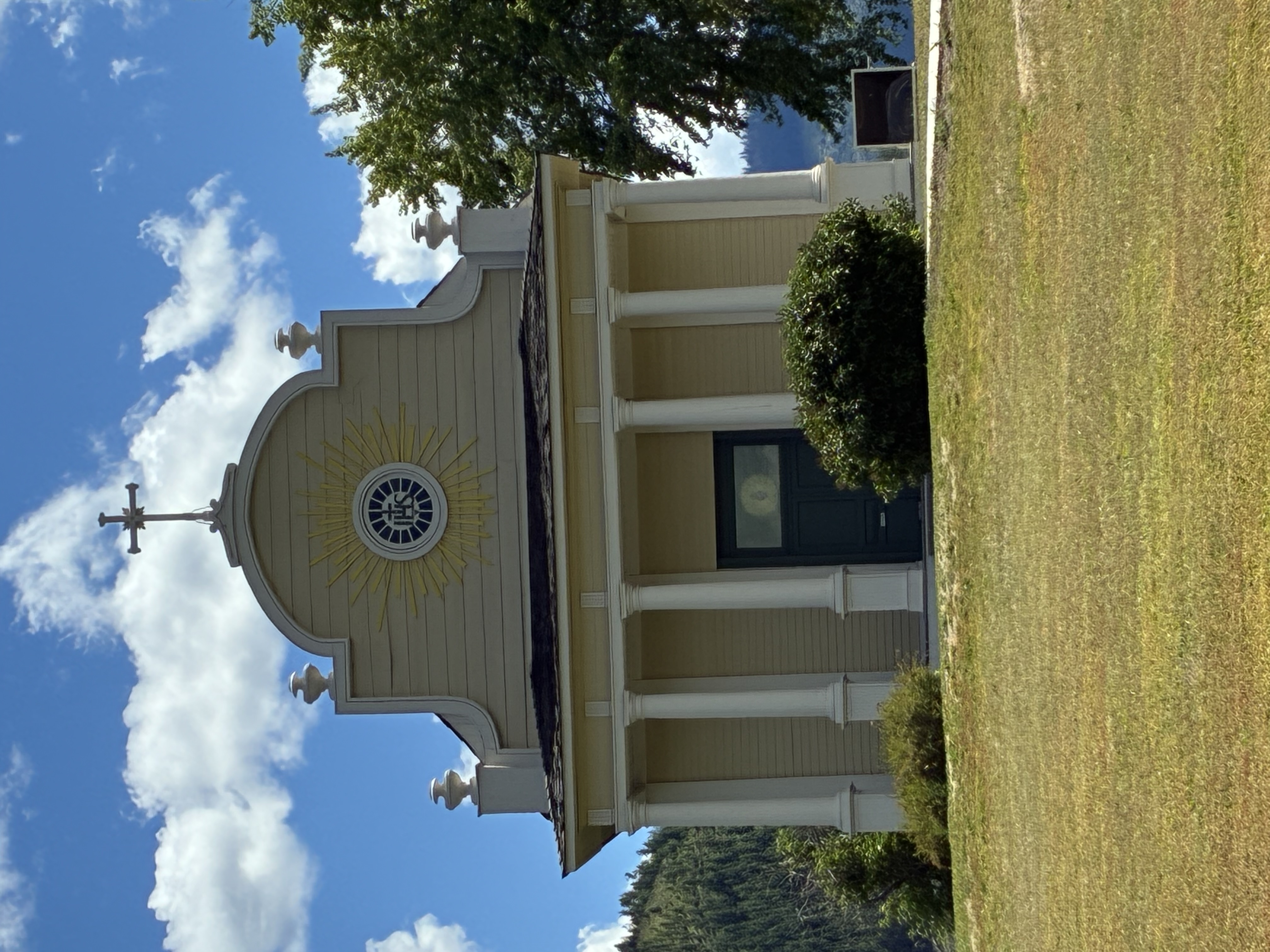
Our last stop was the Cataldo Mission which is the oldest existing structure in Idaho being built between 1850 and 1853 by Jesuit Missionaries and the CdA Tribe.The Mission and the surrounding park are beautiful and well worth visiting on their own. Here we looked out at the surrounding forested land and learned about the aggressive logging of the Panhandle National Forest.
Our forest is among the most heavily logged of any National Forest. Clearcuts visible from the mission illustrate the large openings that create unsheltered snow fields which melt faster, especially if there is a “rain-on-snow” event, cause floods without recharging the ground water while washing tons of heavy metals into the Cataldo Slew, down the Coeur d’Alene River and chain lakes into the lake at Harrison. Such heavy logging also results in loss of habitat, divides ecosystems, increases erosion, strips the soil of nutrients and releases stored carbon which accelerates climate change. While the Mission itself and the surrounding park are beautiful, the impact of the surrounding forest is a cautionary tale.
Please consider joining future Historical Watershed Tours. Like me, you’ll learn a lot about how our watershed and forests have been impacted by mining and aggressive logging practices. The more people understand this, the better for all of us!I was also encouraged by the passion and commitment of the Tour’s hosts to conserve, protect and restore our watershed and forests.
