Plastic Bags and Film get a new life!
Plastic in Our Lives: What You Can Do Right Now
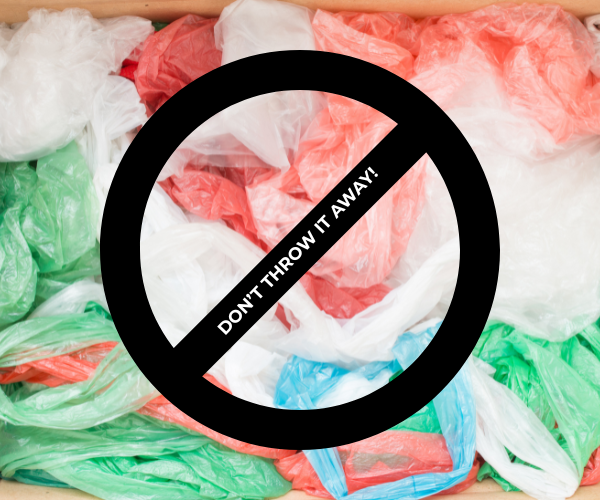
Like many of you, I've been thinking a lot about plastic lately — and not in a good way. It seems to be absolutely everywhere. It wraps our food, cushions our online orders, lines our trash cans, and somehow still ends up blowing across parking lots and floating in our oceans. I'm genuinely concerned about the sheer volume of plastic woven into our daily lives, and I've made a real effort to reduce and reuse wherever I can.
But here's the honest truth: sometimes it just can't be prevented.
I forget my reusable bag at home. Or I'm standing at the checkout counter and before I can get the words out —"I don't need a bag!"— the checker has already loaded my groceries into a plastic one. I order things online, and they arrive swaddled in bubble wrap and plastic film. Despite my best intentions, plastic still finds its way into my home.
For a while, I felt better dropping my accumulated bags into the plastic film recycling bins at the grocery store. It felt like I was doing something. Then I learned that much of the plastic "recycled" in the U.S. was actually being shipped overseas — and that many of the countries we'd been sending it to had started turning it away. That discovery stopped me in my tracks. Was I just fooling myself? Was that recycling bin actually making a difference, or was it just a feel-good gesture that ended with plastic piling up in a landfill somewhere — or worse, in the ocean?
I put my grocery store recycling habit on pause and started looking for answers.
Here's the good news - and it's really good!

It turns out that the plastic bags and plastic film collected at many grocery stores are shipped directly to Trex, the composite decking company, where they are actually recycled into their building products. That's right — your used bread bags and bubble wrap could end up as someone's backyard deck. When you place plastic film into those in-store collection bins, it goes to a company with a genuine use for it, which means it won't end up in a landfill, and it won't find its way into our waterways or oceans. This program is called NexTrex, and it's one of the more reliable plastic film recycling options available to consumers today.
I'll admit, learning this brought me real relief. It doesn't solve the larger problem of plastic overproduction, but it does mean that the effort of collecting and dropping off our plastic film is actually worthwhile.
What Can You Recycle Through the NexTrex Program?
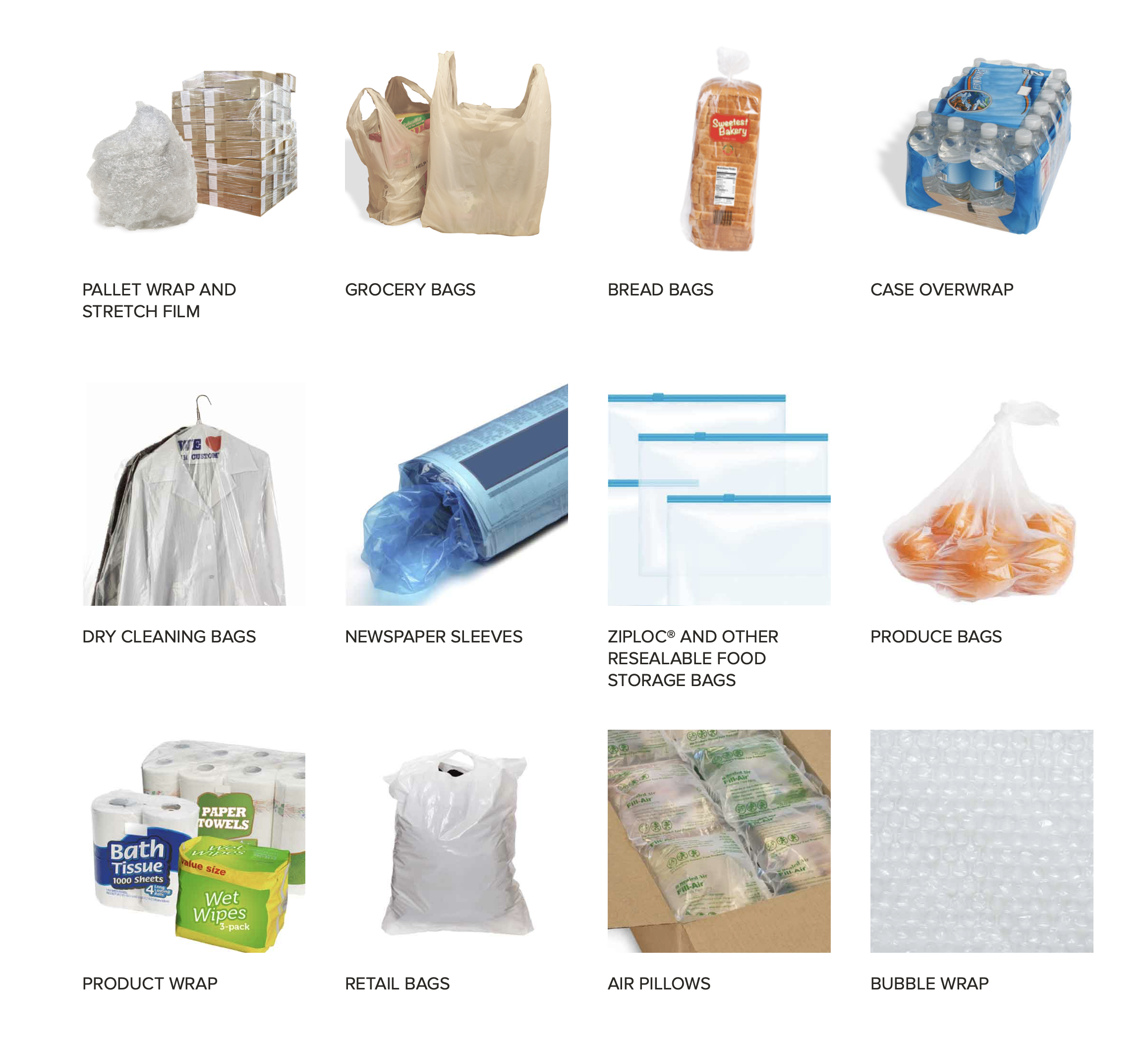
Before you toss everything in the bin, there are a couple of guidelines worth following to make sure your materials are actually accepted and processed:
Clean is key. Make sure bags and film are free of food residue, moisture, and debris. Even small food scraps can contaminate a batch and render it unrecyclable.
Check the number. Look for the recycling symbol on your plastic film. Items labeled #2 or #4 are accepted. When in doubt, check the packaging.
Find a drop-off location. Many local grocery stores host collection bins. A quick search on the NexTrex website will show you the nearest participating locations.
The Bigger Picture
None of this lets plastic manufacturers, or any of us, off the hook. The most important steps we can take are still to refuse plastic when we can, reduce how much we bring into our lives, and reuse what we already have. Recycling, even when it works, is a last resort rather than a solution.
But on those days when the bag gets handed to you before you can stop it, or when your online order arrives in a cloud of bubble wrap, it's genuinely comforting to know there's somewhere responsible to send it. Take a few minutes to collect your clean plastic film, find your nearest drop-off bin, and close that loop.
For more information on what's accepted and where to find a collection site near you, visit www.nexttrex.com.